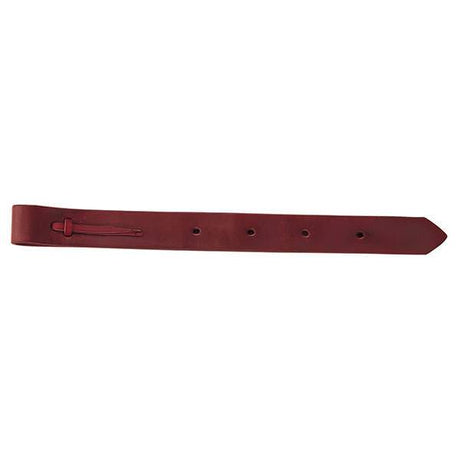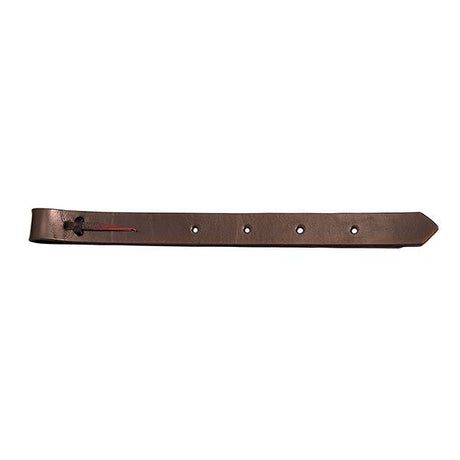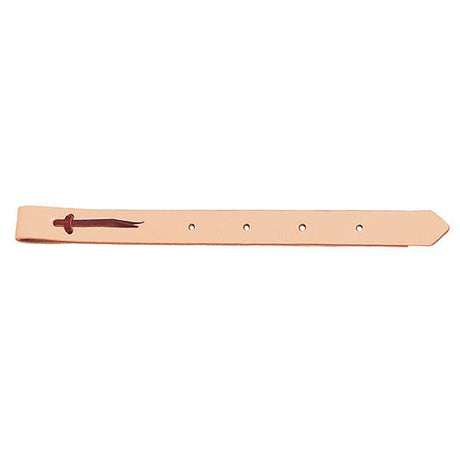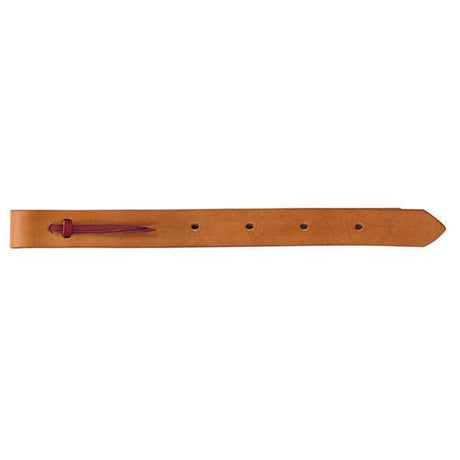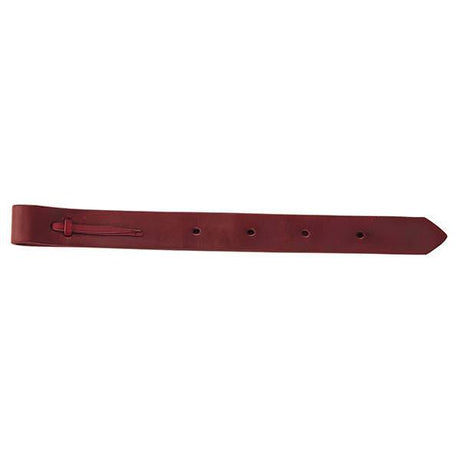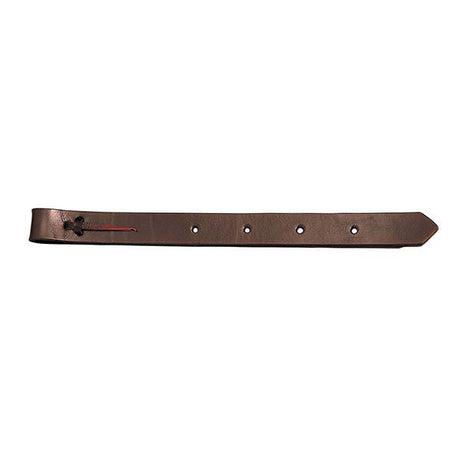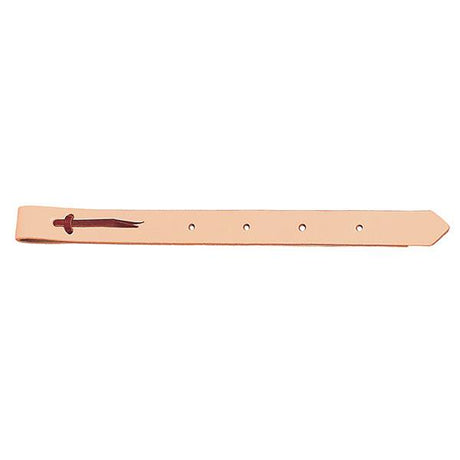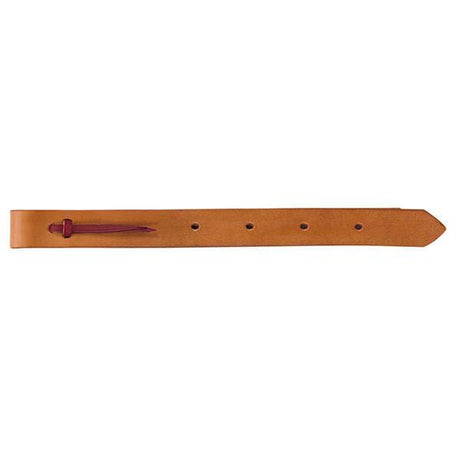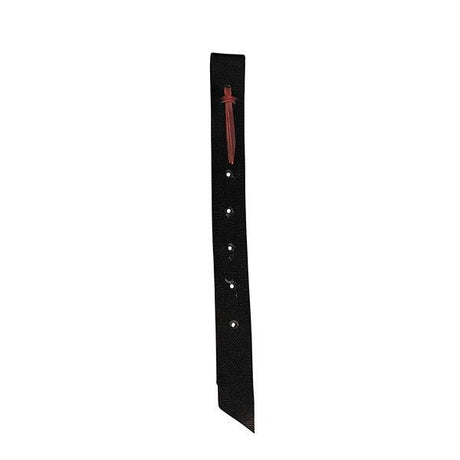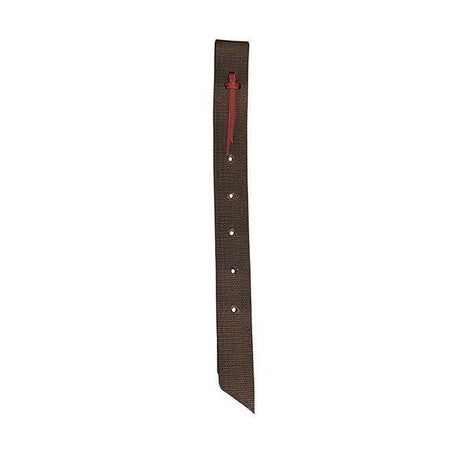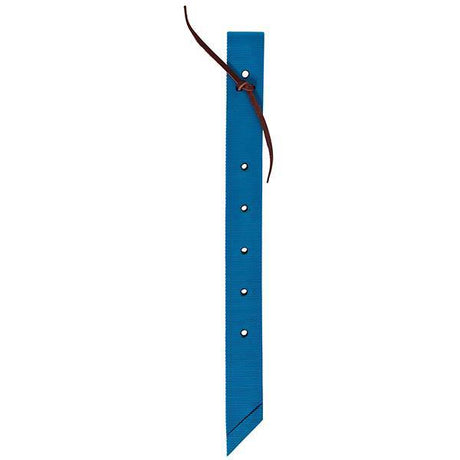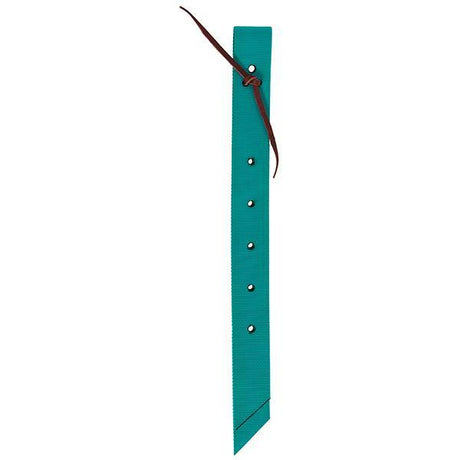
Off Billets & Half Breed Off Billets

Off Billets & Half Breed Off Billets

(7 products)

This collection features leather and nylon off billets and half breed off billets crafted for durability, flexibility and dependable performance under pressure. From traditional leather styles that break in beautifully over time to low-maintenance nylon options built for everyday riding, each piece is designed to deliver a secure, balanced fit. Quality materials and reinforced construction help ensure reliable cinch connection for a safe, reliable ride in every arena and on every trail.

View as

Frequently Asked Questions

What is an off billet used for?

An off billet attaches to the rigging ring on the off side of a western saddle and connects the saddle to the cinch. It works with the latigo on the opposite side to help keep the cinch properly positioned and the saddle secure during riding.

What is a half breed off billet?

A half breed off billet is a longer western saddle billet that folds around the cinch ring and passes back through the saddle rigging dee before buckling into the cinch. Unlike a traditional off billet, the load is distributed across the folded strap at the rigging dee and cinch ring rather than being concentrated primarily at a single buckle hole. This construction can improve durability and gives riders more adjustment options when cinching.

What is the difference between a traditional off billet and a half breed off billet?

A traditional off billet attaches to the saddle rigging and buckles directly into the cinch using a single layer of leather or nylon. A half breed billet is longer and folds through both the cinch ring and saddle rigging, creating two layers at the buckle. This helps distribute pressure across the billet instead of concentrating it at one hole and provides more adjustment than a traditional off billet.

How do you rig a half breed off billet?

Start by running one end of the billet through the cinch ring until the ring sits at the midpoint of the strap. Fold the billet so the two loose ends are even, then run both ends through the saddle rigging dee on the off side. Bring the ends back down and pass them through the cinch ring again. Insert the cinch buckle prong through matching holes in both layers of the billet, then tuck the remaining ends into the cinch keeper.

What materials are off billets made from?

Off billets are commonly made from leather or nylon. Leather offers a traditional look and feel and becomes more supple as it breaks in with use. Nylon is strong, low maintenance and well suited to everyday riding. Weaver Equine offers both leather and nylon options so riders can choose based on their saddle, riding conditions and maintenance preferences.

How do you choose the right off billet size?

The correct off billet size depends on your saddle rigging, cinch length and horse. A properly sized billet should allow the cinch buckle to sit comfortably above the horse’s elbow without creating excessive bulk beneath the rider’s leg. Weaver Equine standard off billets are commonly about 39” long, while half breed billets are longer to accommodate their folded rigging method.

How should an off billet fit with the cinch?

The billet should allow the cinch buckle to sit high enough above the horse’s elbow to avoid interference while keeping excess leather or nylon from creating unnecessary bulk. As a general fit check, aim for approximately 8” between the cinch buckle and saddle dee on each side of the horse.

What is the difference between single-ply and doubled-and-stitched off billets?

A single-ply off billet uses one layer of material for a straightforward, flexible construction. Doubled-and-stitched styles use additional material and reinforcement for added strength and durability. Select Weaver Equine off billets may also include added reinforcement for dependable performance under load.

Are leather off billets durable?

Quality leather off billets are built for regular riding, ranch work and performance use. Their durability depends on the quality of the leather, construction, fit and maintenance. Regular cleaning, conditioning and inspection help keep leather supple and make it easier to identify wear before it becomes a safety concern.

How often should off billets be replaced?

There is no set replacement schedule. Inspect your off billet regularly, especially around buckle holes, folds, stitching and attachment points. Replace it if you notice cracking, tearing, thinning, stretched or enlarged holes, damaged stitching or other deterioration that could weaken the cinch connection. Because the off billet is a load-bearing part of the saddle rigging, worn components should be replaced before they fail.

How do you care for a leather off billet?

Remove dirt and sweat regularly and clean the billet with products intended for saddle leather. Condition it as needed to keep the leather supple and help prevent excessive drying or cracking. Allow damp leather to dry naturally away from direct heat, and inspect it for wear while cleaning.

How do you care for a nylon off billet?

Brush or rinse away dirt and sweat as needed and allow the nylon to dry completely before storage. Nylon does not require conditioning like leather, but it should still be checked regularly for fraying, cuts, damaged stitching or excessive wear around buckle holes and attachment points.

    • Built to Use

      Designed and tested by men and women who are committed to horsemanship and the good of the horse.

    • Built to Last

      Traditional craftsmanship and premium materials meet modern technology for
      comfort, durability, and performance.

    • Reliable Shipping

      Inspected and boxed by hand and shipped with care from Mt. Hope, Ohio

    • Human Customer Service

      Call 800-932-8371 to reach our expert customer service team in Mt. Hope, Ohio.